From Ridge Lines to Tidal Lines

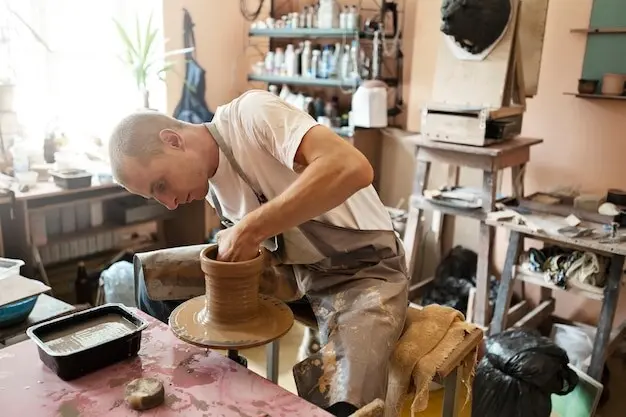
Set out along artisan travel routes linking mountain villages to coastal workshops, celebrating hands, tools, and landscapes that shape meaningful objects. We’ll connect highland looms and forest carving sheds with harborside kilns and boatyards, sharing practical guidance, intimate stories, and invitations to journey slowly and respectfully while supporting communities whose craft traditions are inseparable from the paths you’ll walk and the waters you’ll follow.

Mapping the Passage Between Peaks and Ports

{{SECTION_SUBTITLE}}
Trail Logistics and Seasonal Windows
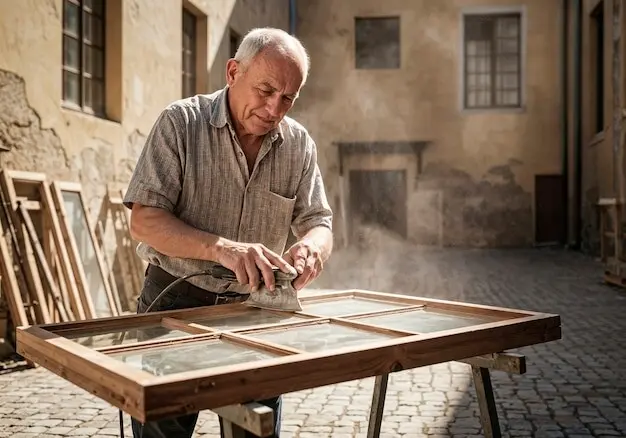
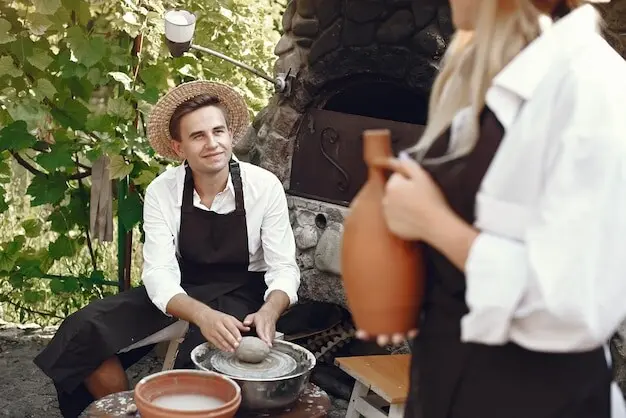
Weather and work cycles intertwine: shearing, curing timber, glazing, and boat repair each demand their own temperatures and light. Choosing shoulder seasons reveals quieter studios and generous mentors. Build buffers for detours, storms, and unexpected invitations, and pair mountain mornings with coastal afternoons by aligning bus timetables, ferry crossings, and your own comfortable walking pace.

Reading Landscapes Through Craft Traditions

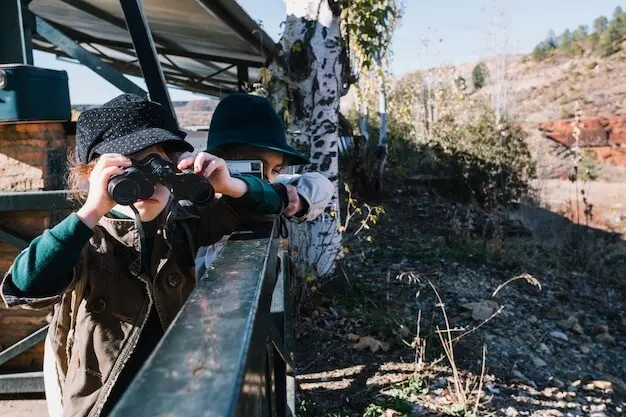
Contours on a topo map whisper about the objects you will see: steep lines predict loom weights and stout wool; river fans hint at clay beds and shoreline kilns; forest symbols promise shavings on the breeze. Learning to interpret geography as a living workshop lets each ridge, valley, and estuary preview techniques, textures, and stories awaiting your respectful attention.

Materials That Travel: Wool, Timber, Clay, and Salt
The road itself is a supply line for beauty. Flocks graze high meadows, dyes steep beside alpine streams, timbers season under eaves, and coastal air cures fish-skin threads or settles glazes. Follow how materials move, transform, and return home as shawls, bowls, figureheads, and ropes, each object carrying the taste of altitude and the hush of tides within its fibers.

Hands Behind the Work: Lineages and Friendships

Routes become meaningful when names replace pins on a map. Sit beside mentors who learned from grandparents, or apprentices who returned after city detours. Share tea while tools pass palm to palm. Each handshake widens your understanding of patience, pricing, humor, and failure, revealing how community sustains mastery and how hospitality threads through every finished edge and carefully burnished surface.

The Weaver Who Walks at Dawn

She leaves before roosters, crossing dew-heavy terraces to reach a loom waiting with yesterday’s decisions. Morning light reveals tiny misalignments she chooses to keep, honoring weather’s handwriting. Later, near the coast, she sells directly from a borrowed bench, telling you which stripe echoes a thunderhead, and which softened unexpectedly when sea fog slipped between two stubborn threads.

The Boatbuilder’s Listening Hands

He rests fingers along a plank until the wood hums agreement, a language learned from blisters and silence. Mountains supplied the tree; harbors supply purpose. He smiles describing a distant cedar grove, then shows a bevel gauge older than his beard. His stories teach that measurement obeys experience, and that every keel carries upstream gratitude for shaded roots and windbreak ravines.

Tastes, Sounds, and Textures Along the Way

Senses make navigational tools. Breakfasts of mountain cheese and buckwheat lead to coastal suppers where anchovies meet herbal honey. Bells fade into gulls; footpaths trade dust for foam. Fingertips memorize lanolin, tool handles, slip, and tar. Let appetite, hearing, and touch steer you to open doors, because studios often announce themselves through aromas, echoes, and tactile invitations across thresholds.

Mountain Breakfast, Harbor Supper

Begin with warm bread baked against a stone and butter pressed in wooden molds carved by last winter’s storms. End with grilled sardines, lemon, and herbs gathered on cliff paths. Between meals, taste dyer’s tea without sugar while stories steep beside it. Food keeps pace with elevation, reminding you that nourishment and craft both prefer slowness and generous, seasonal attention.

Soundscapes from Bells to Buoys

Start with goat bells marking slope lines like sheet music, then follow water until buoy clangs and halyards whisper. Workshops sing, too: treadles sigh, spokeshaves purr, looms knock conclusion, and kilns murmur decisions. Listening helps you arrive unannounced yet welcome, because makers recognize visitors who pause at thresholds, breathe, and let the room’s rhythm choose the first shared words.

Textures Under Curious Fingertips

Feel warp threads warmed by a window, the satin of oiled ash, the drag of leather burnishers, the fine grit of bisque ware awaiting glaze. Respect boundaries: touch only with permission, and ask what your fingers might miss. Makers describe invisible textures—patience, smoke memory, weather luck—reminding you that true tactility includes stories that stay imprinted long after washing hands.

Practical Compass: Packing, Transit, and Gentle Footprints

Bring less and notice more. Layer for chill passes and sea spray, carry a notebook, cloth bag, and a willingness to wait. Choose rail, bus, and ferry over hurried rentals. Pay fairly, tip with gratitude, and leave schedules flexible. Responsible choices amplify craftsmanship’s resilience, ensuring your passage becomes part of the support system that keeps small doors open and benches occupied.

Sketch Your Own Route and Share the Journey

Turn inspiration into movement by sketching lines from ridge to pier, then filling margins with names, bus times, harvest dates, and market days. Invite companions who value listening, not collecting. If our stories help, subscribe for route updates, makers’ interviews, and printable notes. Your feedback and photos can guide future travelers toward kindness, curiosity, and beautifully sustainable purchases.

Drafting a First Itinerary

Start with two anchor workshops—one high, one low—then connect them through villages where materials change hands. Add time for weather and mentorship. Email ahead using respectful introductions, explain why you’re coming, and ask where to stay locally. Publish nothing without permission. A simple, well-considered loop becomes a living promise to show up gently and learn with grateful, attentive presence.

Keeping a Makers’ Field Journal

Carry a notebook that catches vocabulary, sketches of knots and heddles, bus routes, kiln temperatures, and snack recommendations scribbled between margins. Record names accurately and note preferred pronouns, prices, and postal addresses. Jot reflections about mistakes you witnessed transforming into breakthroughs. Later, your pages will weave into an index of kindnesses that maps more truthfully than any glossy brochure.

Join the Conversation and Collaborate

Share respectful stories, route tweaks, and sources for fair materials in our comments, and invite artisans to add corrections or invitations. Subscribe for seasonal dispatches profiling workshops along new ridgelines and bays. Suggest pairings we missed, propose meetups, and help publish bilingual mini-guides. Collaboration keeps this living path flexible, generous, and welcoming to first-time travelers and veteran makers alike.

Zavolumaviropentolaxitora
Privacy Overview

This website uses cookies so that we can provide you with the best user experience possible. Cookie information is stored in your browser and performs functions such as recognising you when you return to our website and helping our team to understand which sections of the website you find most interesting and useful.