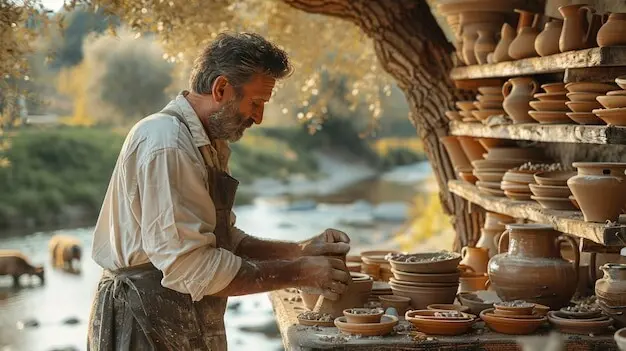
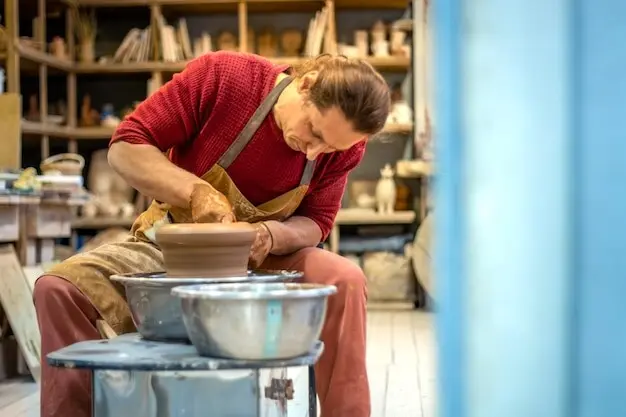
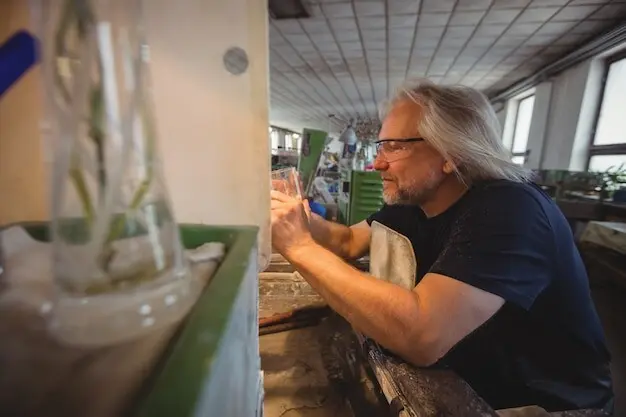
Journeys That Leave Only Inspiration Behind

Today we explore Eco-Conscious Craft Tourism: Low-Impact Itineraries by Train, Bike, and Ferry, celebrating meaningful connections with makers while traveling lightly. Expect practical routes, heartfelt stories, and respectful guidance for visiting studios without rushing, wasting, or disturbing. Share your questions, subscribe for fresh routes, and help map kinder paths where artistry thrives, emissions fall, and every mile feels intentional.

Why Low-Impact Travel Elevates Handmade Traditions

Moving by rail, bicycle, and passenger ferry slows the journey just enough to notice texture, technique, and trust. Lower emissions become only the beginning; the real gain is time for conversations, studio rituals, and regional histories that rarely survive hurried itineraries. By arriving thoughtfully, you bring curiosity instead of demands, patience instead of pressure, and resources that circulate locally, reinforcing intergenerational skills instead of extractive souvenirs.

Carbon‑Light Connections

Trains commonly emit significantly less CO₂ per passenger‑kilometer than cars and many short flights, and cycling is nearly emission‑free in operation. That difference compounds across a route linking workshops, markets, and guild halls. Reduced noise and road congestion also matter, allowing delicate processes—glaze firing, loom setup, natural dye baths—to proceed uninterrupted. Your presence supports skill, not stress, and invites longer, more thoughtful exchanges with makers.

Respecting Place and Pace

Arriving without an engine to idle encourages listening before photographing, asking before entering, and buying only what can be cherished or repaired. Slow approaches align with local rhythms—market days, kiln openings, seasonal fibers—so your visit uplifts rather than disrupts. Choose community‑run stays, refill stations, and workshops that set clear boundaries, honoring health, prayer, meal times, and rest. Courtesy is the lightest luggage and the surest welcome.

Spending That Sustains Makers

Fewer miles and fewer impulse purchases free budget for fair prices, paid demonstrations, and classes where knowledge is valued, not extracted. Request receipts naming artisans, so credit follows the craft. Buy fewer, better pieces, prioritizing traceable materials, thoughtful packaging, and care instructions. Consider repairs, refills, or future commissions rather than duplicates. This transforms transactions into relationships, keeping revenue in the workshop and ensuring apprentices see viable, dignified livelihoods.

Designing Rail‑First Itineraries

Let the timetable curate your path. Map lines that stitch together craft districts, museum archives, and studio collectives within easy walks of stations. Rail passes reduce stress and encourage detours when a gallery recommendation changes everything. Use luggage storage to free your hands, leaving time for a weaving lesson or kiln peek. Pack a notebook, foldable tote, and humility; the platform can become your most productive planning table.

Reading the Rails

Study regional routes alongside craft council directories, farmers’ markets, and heritage maps to spot fertile intersections. A small branch line may reveal a pottery village hidden between commuter stops. Visitor bureaus often maintain calendars of firings, fairs, and open‑studio days. When planning, include buffer stops for conversations that run long, and mark train windows as moving classrooms for sketching patterns glimpsed from hedgerows and riverbanks.

Station‑to‑Studio Strolls

Prioritize workshops reachable by foot, tram, or community shuttle from the station, minimizing transfers and taxi miles. Ask makers about accessible routes, especially over cobbles or hills. Many arts districts cluster in former depots and warehouses, creating natural walking circuits. Carry a small cloth to wrap delicate purchases until you reach sturdier packaging. The unhurried minutes between platform and studio often reveal the best café conversations and shop windows.

Night Trains, Daylight Creativity

Sleeper cars shift travel time into restful hours, granting full days for studio visits and museum archives without extra accommodation nights. Wake near workshops, refreshed instead of rushed. Book early for privacy options and consider lighter luggage for upper‑berth ease. Bring earplugs, a reusable water bottle, and a tiny sketch set. Stepping off at dawn, you greet makers setting up benches, discovering rhythms impossible behind rental car windshields.

Cycling Between Studios and Historic Workshops
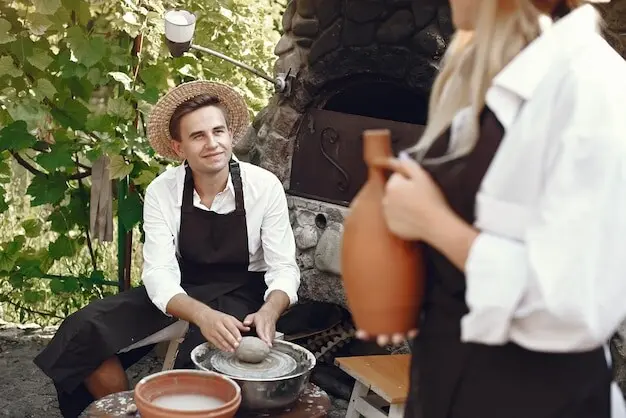
Two wheels invite detours down lanes perfumed by dye plants and wood smoke. National cycle networks, greenways, and traffic‑calmed streets often pass quietly by craft hubs in mills, barns, or repurposed schools. E‑bikes flatten hills and extend reach while keeping impact minimal. Plan routes with weather, daylight, and opening hours in mind. Your cadence becomes a metronome for noticing tools, textures, and the stories imprinted in local materials.

Crossings by Ferry: Island Crafts and Coastal Guilds
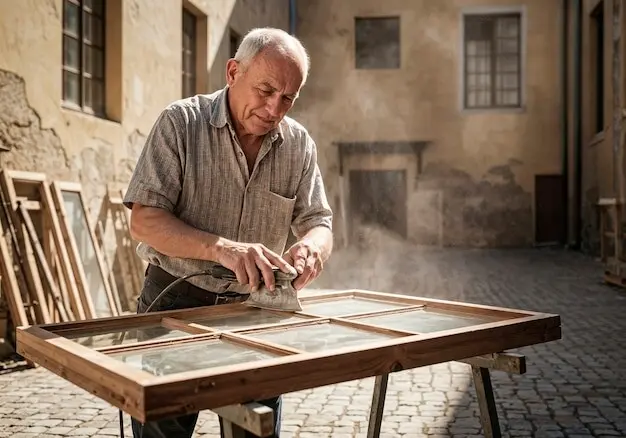
Foot‑passenger ferries often carry a gentler footprint per traveler than car decks, and they unlock shorelines where boatbuilders, net‑weavers, basket makers, and ceramicists refine knowledge shaped by tide and wind. Check seasonal timetables, choose slower crossings when possible, and savor the deck’s rhythm as preparation for quiet studios beyond the harbor. Islands reward patience with materials steeped in salt, sunlight, and generations of practiced hands.

Stories From the Road: Encounters That Changed Everything

Memories anchor routes more than maps. A potter who cools a kiln with rainwater stories, a weaver teaching selvedge rhythm under a lighthouse, a basket maker trading bike tips for better rattan finishes—each meeting reshaped plans. These moments argue for fewer destinations, deeper listening, and unrushed departures. Share your own encounters in the comments to guide fellow travelers toward kindness, skill, and the right kind of serendipity.

A Potter by the Tracks

We stepped from a local train into petrichor and clay dust, following a chalk arrow toward a garden shed. Inside, cups waited like quiet bells. The maker asked us to feel rims with closed eyes, then told of glazes matched to nearby stones. We left with two imperfect mugs, instructions for mending chips, and a renewed conviction that small deviations make pieces honest, durable, and achingly human.

The Loom Above the Lighthouse

Climbing narrow stairs after a harbor ferry, we found a room humming with gulls and warp tension. The weaver paced our breath with shuttle passes, translating tides into stripes. She priced by hours, not hype, and insisted we practice a few lines. The cloth we wove was wobbly, but she celebrated our attention, not perfection. That lesson guided every purchase afterward: pay for time, story, and continuity.

Counting What Matters

Tally rail, bike, and ferry segments, then estimate emissions using widely accepted factors. Record studio hours observed, classes taken, and fees paid, making sure value concentrates locally. Track packaging waste and how you disposed or reused it. This ledger is not guilt; it is guidance for better choices next time. When numbers reveal gaps, redesign routes, lighten luggage, and replace convenience with care, curiosity, and collaboration.

Agreements on the Move

Before visiting, ask about photos, pricing, cancellations, and group sizes. Offer deposits for demos, arrive on time, and compensate rescheduling costs when life intervenes. If translating, attribute words correctly. Credit assistants and apprentices by name where allowed. Respect health requests about masks, fragrances, or glove use. Ethics are logistics with compassion attached, keeping relationships sturdy even when ferries cancel, trains delay, or weather reroutes your day.

Closing the Loop After You Return

Repair chips, patch textiles, and reoil wood using instructions provided by makers, posting updates that acknowledge their guidance. Share annotated maps so others can travel lightly and kindly. If means allow, send small microgrants, leave generous reviews, or organize community talks featuring your learned practices. Subscribe for new route ideas and tell us what tools you still need; together we can refine kinder pathways for craft to flourish.
Zavolumaviropentolaxitora
Privacy Overview

This website uses cookies so that we can provide you with the best user experience possible. Cookie information is stored in your browser and performs functions such as recognising you when you return to our website and helping our team to understand which sections of the website you find most interesting and useful.