Hands That Bridge Borders
We’re spotlighting profiles of makers reviving cross-border heritage techniques, following their everyday decisions, tools, songs, and sources. From ferry docks to mountain passes, their skills travel kindly, rebuild relationships, and prove tradition thrives when people listen, trade fairly, and teach across languages. Read, respond, and help map the next workshop, mentor, or marketplace where old knowledge greets new neighbors.

Journeys of Craft Across Frontiers

Border lines look sharp on maps yet blur beneath footsteps, pack saddles, and ferry ropes. Makers following seasonal work carried stitches, knots, and rhythms between villages, adapting patterns for new climates and neighbors. These itineraries reveal generosity, resilience, and practical curiosity that kept endangered processes alive without fanfare or headlines.
At dawn in Calais, a grandmother unfolded bobbins her aunt smuggled in bread loaves during rationing, while a Bruges apprentice traced identical pricking cards. They traded flax counts, pillow tricks, and festival stories, proving family lace survived tariffs because affection, not paperwork, moved faster through kitchens and markets.
On Friday altiplano fairs, Bolivian and Peruvian weavers compared camelid fiber twists, swapped cochineal for chilka leaves, and debated which pallay mirrored storm clouds most faithfully. Their belts read like bilingual diaries, where motifs crossed boundaries with jokes, blessings, and prices scribbled on napkins beside bowls of quinoa soup.
Knife sheaths, beadwork, and birchbark boxes traveled reindeer routes longer than any passport line. In Kautokeino, Jokkmokk, and Inari, elders compared stitches and shared birch oil tips, while young carvers livestreamed sharpening angles, reminding everyone that respect for landscape unites craft more deeply than any border post.

Materials With Passports

Before paperwork existed, rivers, winds, and caravans registered provenance. Indigo crept from delta gardens into mountain wardrobes; madder tinted treaties and wedding shawls alike. Clay remembered silt from two countries, fired together in one kiln. Following material journeys reveals supply ethics, ecological limits, and neighborly agreements worth protecting today.

Techniques Relearned, Communities Renewed

Revival rarely looks like museums imagine; it looks like tea kettles, volunteer vans, and shaky wi-fi in village halls. When neighbors gather, patterns return alongside jokes and lullabies. Skill shares across checkpoints transform suspicion into companionship, letting apprentices earn livelihoods while elders finally see their patience valued again.

Mentorships Without Checkpoints

Two glovemakers, split by a fence, now host alternating Saturdays online and in person. Customs delays turned into lessons on sourcing locally, repairing tools, and translating palm measurements. Shared spreadsheets, shared laughter, and shared silence while stitching formed a classroom kinder than any institution could administratively design.

Cooperatives Spanning Valleys

Goat herders, spinners, and knitters formed a ledger written in three languages yet priced in minutes, not currencies. Orders move by bus drivers and cousins, bypassing platforms that forget feelings. When floods closed one route, another valley hosted, proving hospitality is infrastructure revival projects secretly depend upon.

Portraits in Practice

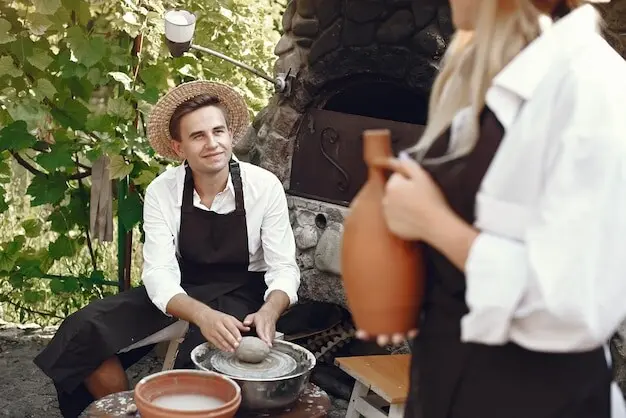
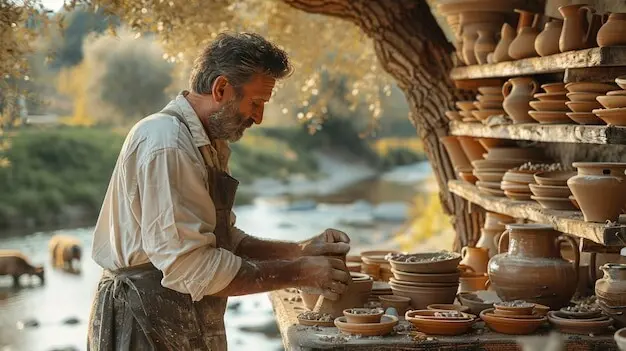
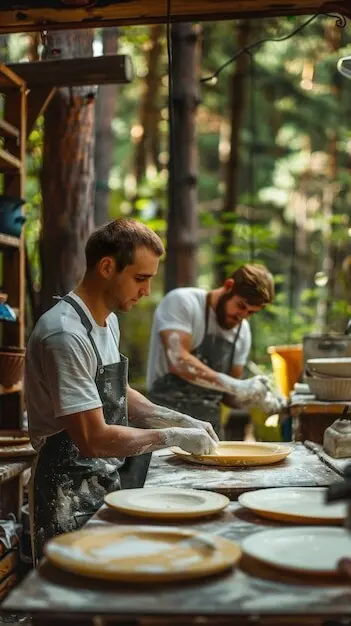
Profiles breathe when hands are busy. We sit beside worktables, record mistakes as kindly as triumphs, and ask about neighbors, prices, and weather. These glimpses honor technique and person equally, challenging stereotypes while revealing how humor, care, and stubborn patience make endangered knowledge feel welcoming rather than fragile.

Economies of Care and Fair Exchange

Revival succeeds when money behaves like gratitude embodied. Transparent costs, dignified timelines, and shared risk agreements prevent burnout. Cross-border sales ask extra patience; declarations and duties become part of the story, not hidden friction. Buyers join stewardship, learning that beautiful objects repay fairness with longevity, repairability, and cross-generational trust.

How You Can Help, Learn, and Belong

Your curiosity keeps these bridges open. Comment with questions for featured makers, suggest borderland workshops to visit, and subscribe for field notes from dusty buses and joyous kitchens. Sponsor travel stipends, share family patterns, or host translation hours. Together we trace kindness as carefully as any stitch.

Ask Better Questions at Markets

Instead of haggling first, ask who taught the technique, how materials travel, and which step demands the quietest focus. Then listen. Makers often reveal repair options and community projects. Your respectful curiosity purchases more than objects; it purchases continuity, dignity, and the possibility of future collaborations.

Subscribe and Sponsor Field Notes

Our letters carry interviews, workshop diagrams, train mishaps, and playlists that keep hands moving through long nights. Sponsorships cover translators, childcare, and fuel for shared vans. Support ensures access remains equitable, so the next apprentice hears their name welcomed across valleys, borders, and languages with warmth.

Share Your Family Patterns

Dusty notebooks, attic towels, and tool marks on doorframes often hide cross-border wisdom. Photograph, annotate, and send them with any remembered stories, including missteps. We will credit carefully, seek consent, and return copies. Your contribution might reconnect cousins and rescue methods markets forgot to properly celebrate.

Zavolumaviropentolaxitora
Privacy Overview

This website uses cookies so that we can provide you with the best user experience possible. Cookie information is stored in your browser and performs functions such as recognising you when you return to our website and helping our team to understand which sections of the website you find most interesting and useful.